Lorenzo Poli
The Geoglyphs of Our Time
Dates + Events
October Gallery Walk: Lorenzo Poli
Friday, October 3 | 5:00pm - 8:00pm
September Pictura Kids: Topographic Drawings
Saturday, September 6 | 11:00am - 12:00pm
Lorenzo Poli
The Geoglyphs of Our Time
“Geoglyphs are ancestral symbolic forms, etched into the ground with dry-stone lines, cleared furrows, and tamped soil. Created by Indigenous communities as ritual acts, they embody communal cosmologies across the landscape—a shared vision of the Cosmos. Often aligned with constellations or natural features—and most legible from above—they weave culture, Land, and the heavens.”
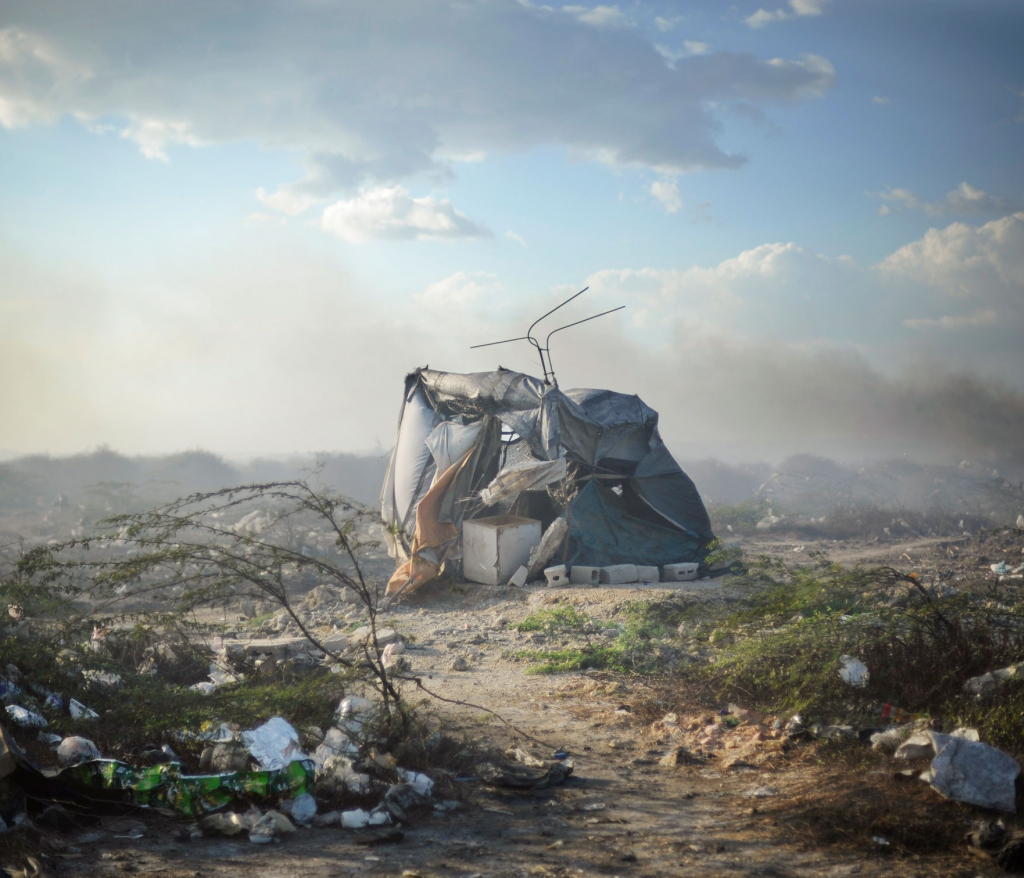
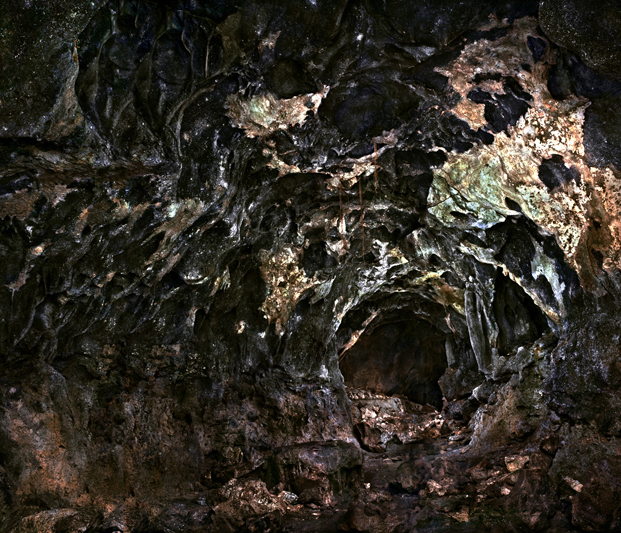
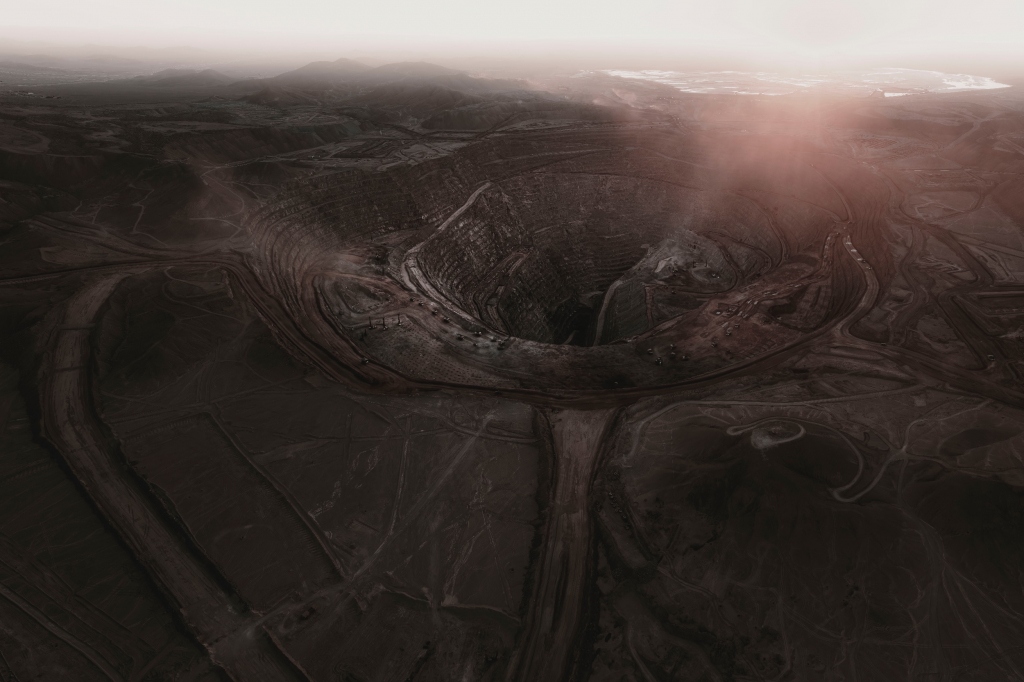
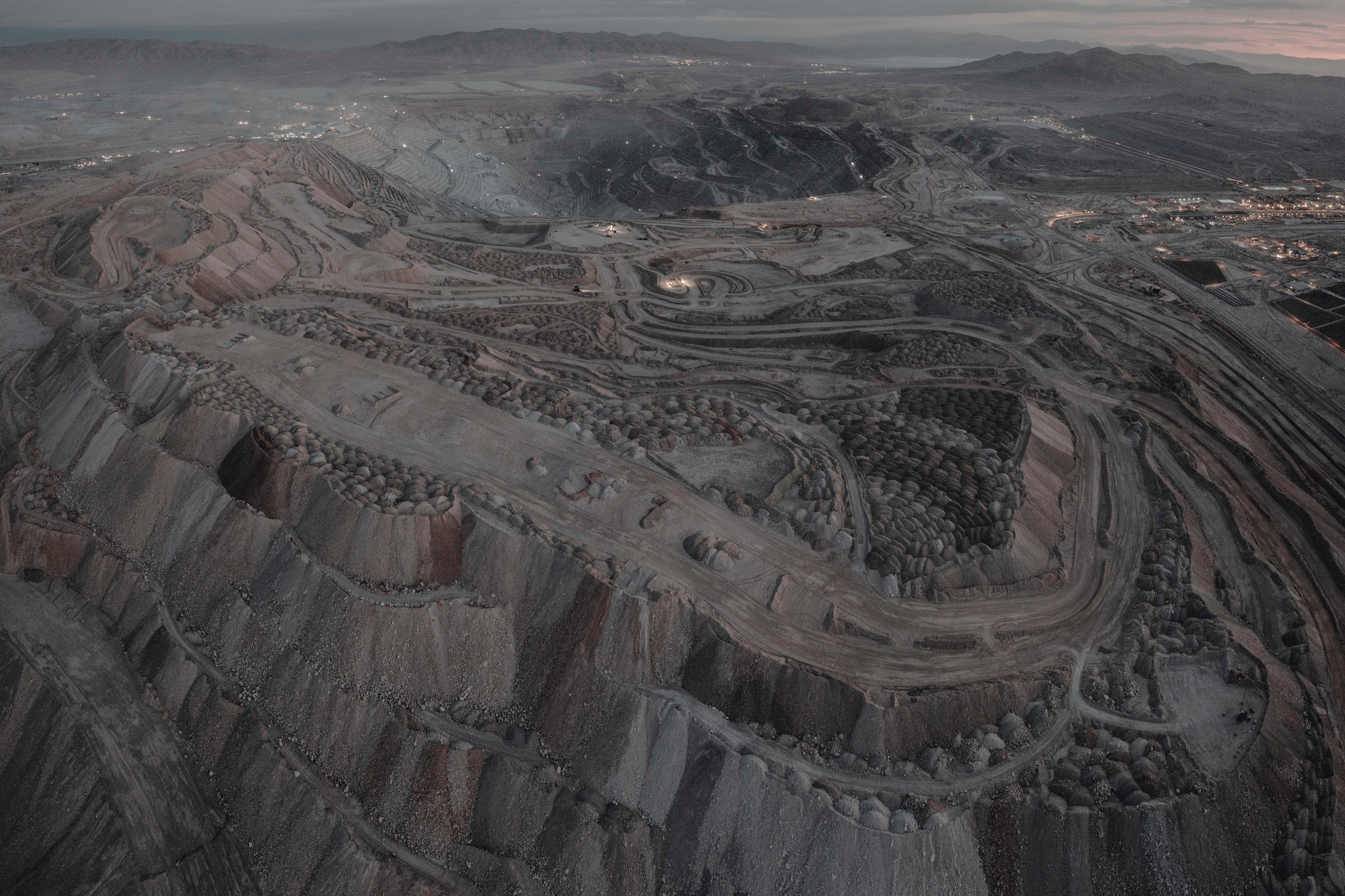
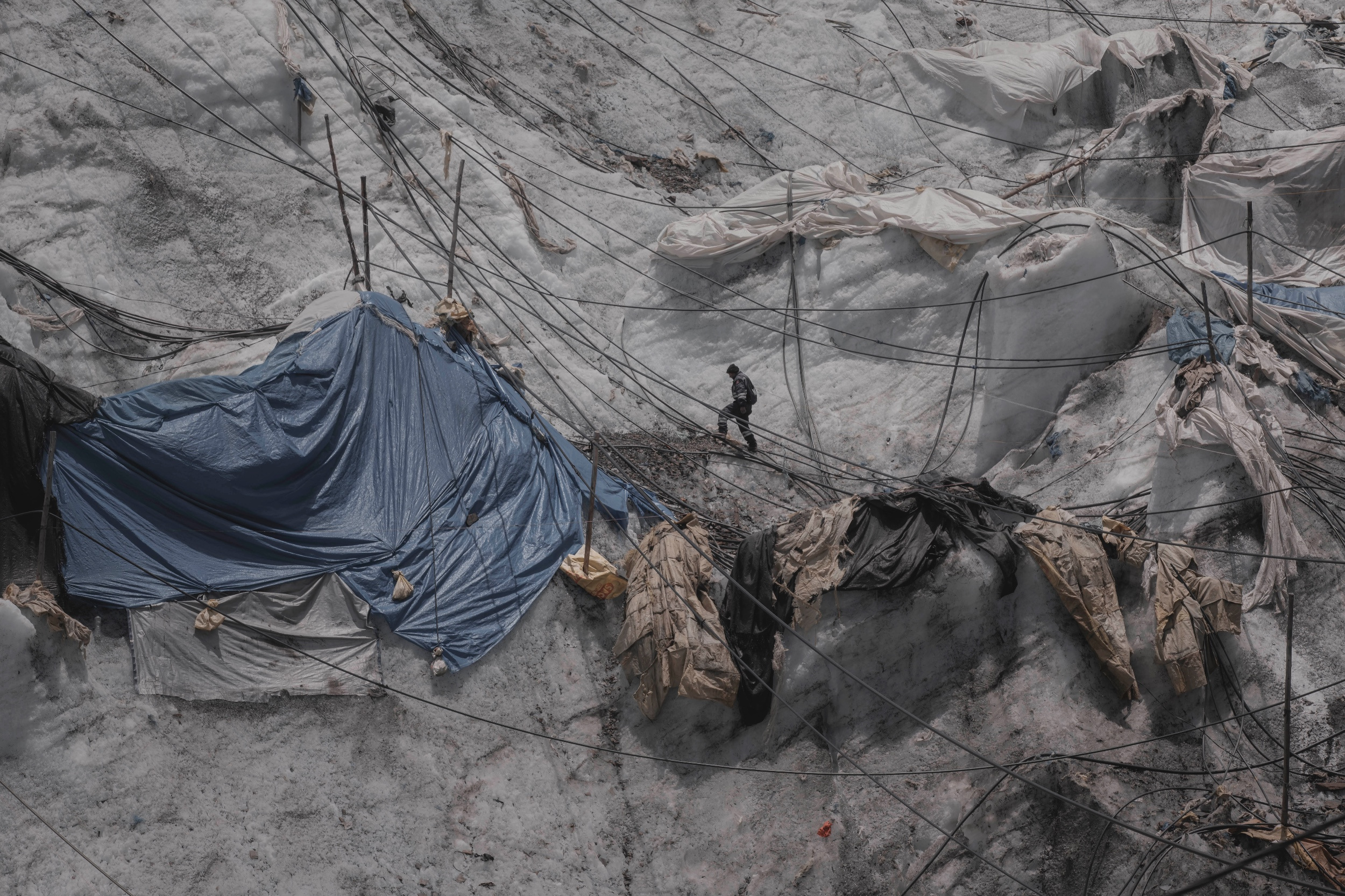
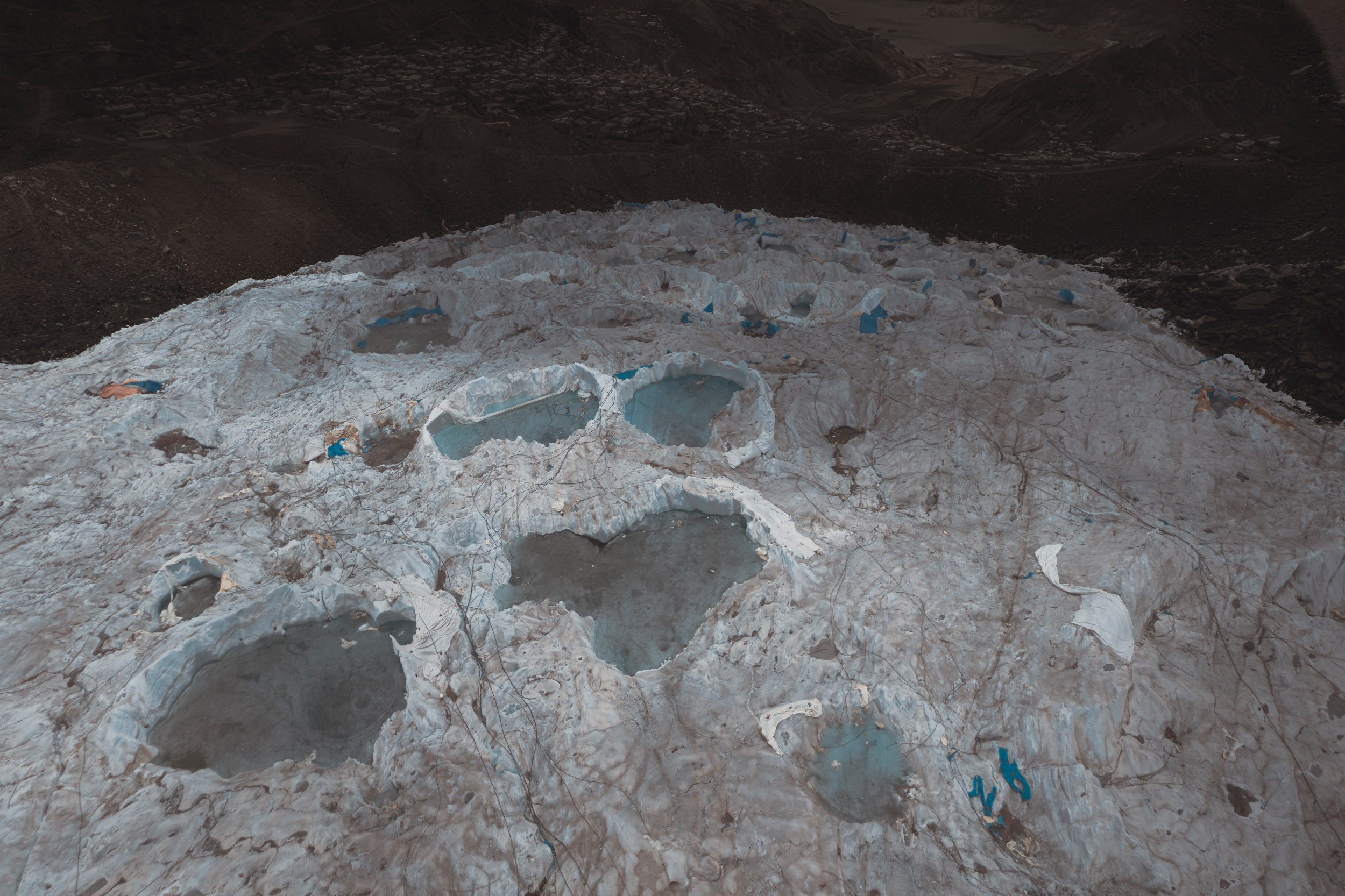
This photographic investigation is a personal reflection on human values and how they are carved into the Earth’s body. I have traversed South America’s mining territories for fifteen months in search of meaning. As an architect expanding my practice into the realm of the visual arts, I have sought to engage with the spiritual dimensions of our epoch, immersing myself in monumental voids that descend into the Earth’s depths. From the air and from the ground, what emerged transcended the commodification of minerals for the energy transition: these voids exist as testaments to humanity’s aspirations.
The chronicles of modernity are inscribed across the Planet’s surface. Sacred Lands have become kingdoms of accumulation, empires of extraction. These new cosmotechnic terrains are the geoglyphs of our time—monuments to the values we pursue.
- Lorenzo Poli
At 14, I dreamt of being amidst towering skyscrapers and architects, inspiring my studies in architectural engineering in Italy and the Netherlands. At 22, I delved into photography with an exhibition in Baghdad before the 2003 Iraq war. Returning, I shared visual narratives in exhibitions and newspapers, discovering the fulfilment in raising awareness through images.
Yet, my architectural drive remained strong, leading me to London in 2006 to work on Jean Nouvel’s advanced facades project. I then pursued a master’s in Sustainable Facade Engineering in Bath. followed by 12 years at Norman Foster’s, developing sustainable solutions, contributing to patents, and traveling to 70 countries, exploring nature and societal impacts.
My parents’ losses in 2013 and 2021 reminded me of the value of existence. During COVID-19, deep reflection in an operating theatre spurred a seven-month solo campervan journey in Scotland’s Highlands, working remotely for Foster+Partners. The dichotomy between architectural practice and Nature’s wisdom became irreconcilable.
This led to exploring biocentric equality and reconciliation within Nature, influenced by my yoga passion. I researched the industrialisation of the natural world (anthrobiome), and ventured into the last remains wilderness sanctuaries (biomes) of glacial Norway and the Antarctic continent, collaborating with the
NVE (Norwegian Water and Energy Resources Directorate) and the DNA (Dirección Nacional del Antártico) in Argentina.
In the last years, I was awarded with several international recognitions, including the 2022 Sony World Photo Award in the Landscape Professional Category. The photographic series “Life on Earth”, according to the Sony SWPA judges, ’delves into the ethereal magic of nature and the mysterious beauty of an untamed world…”.
Now, I traverse Earth’s territories to voice Nature’s wisdom. I create immersive visual experiences that emphasise rewilding, biodiversity, symbiosis, envisioning an inclusive and ecotopical society in the Biocene.
www.lorenzopoli.photography
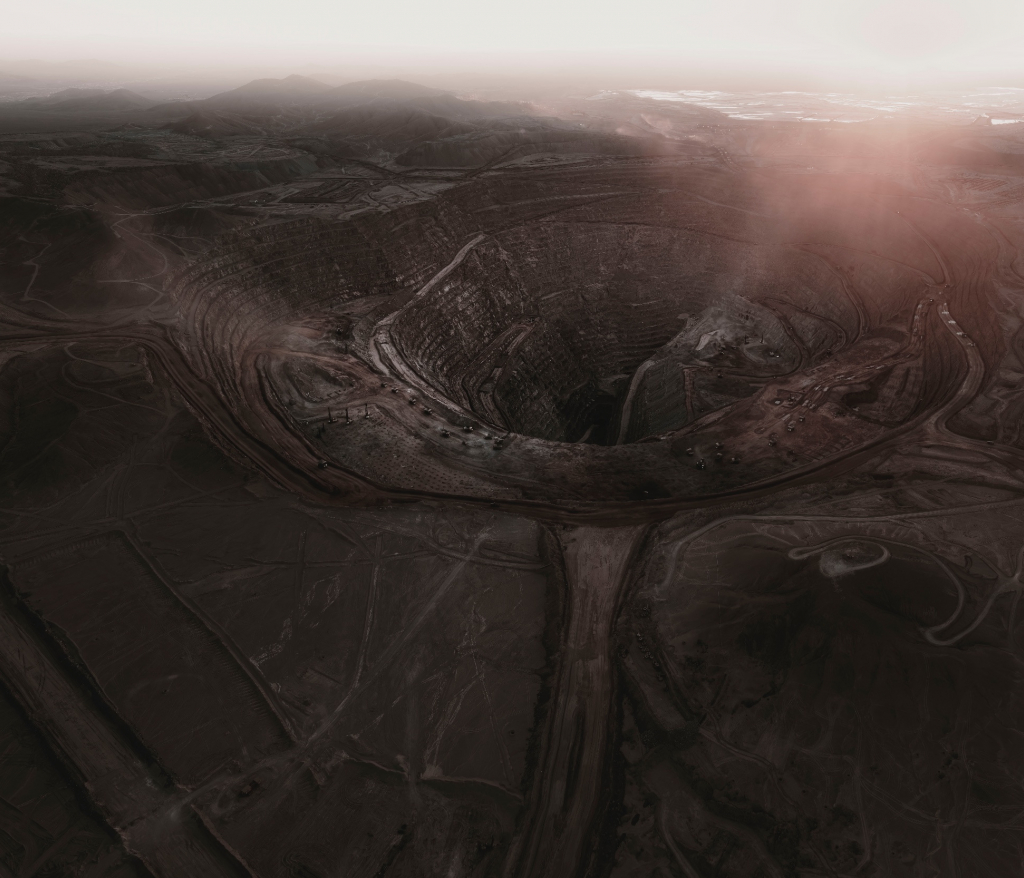
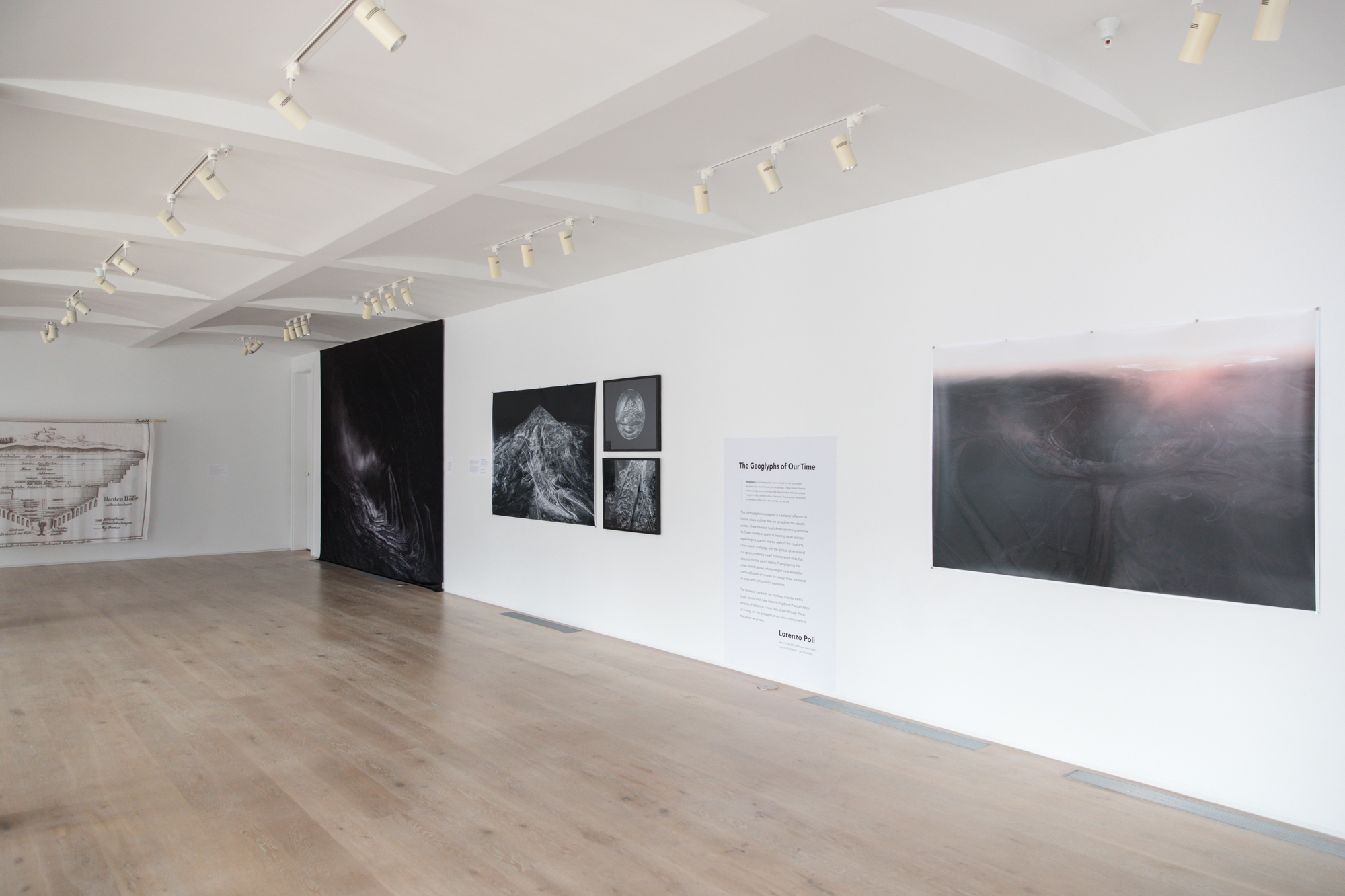
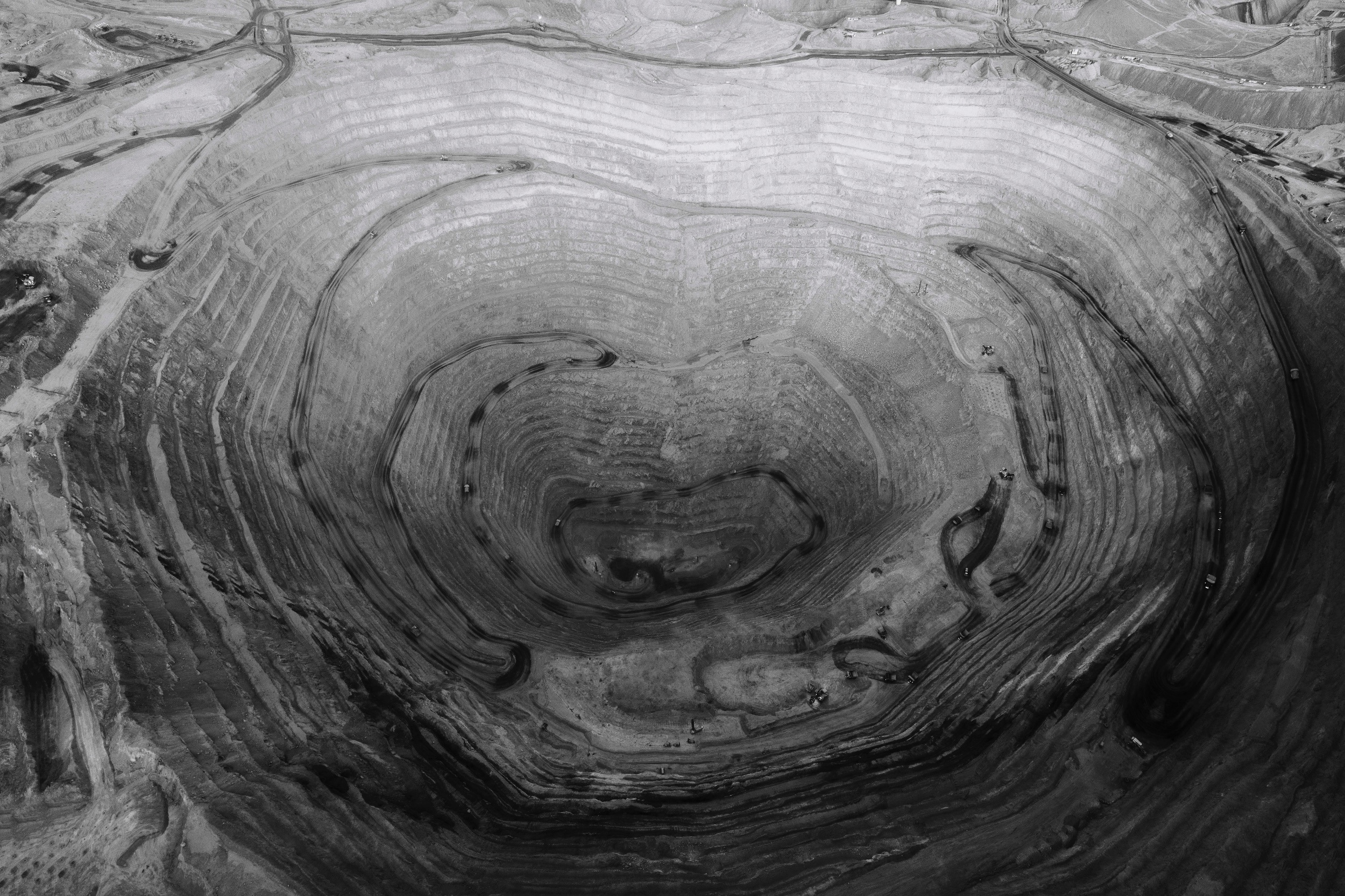
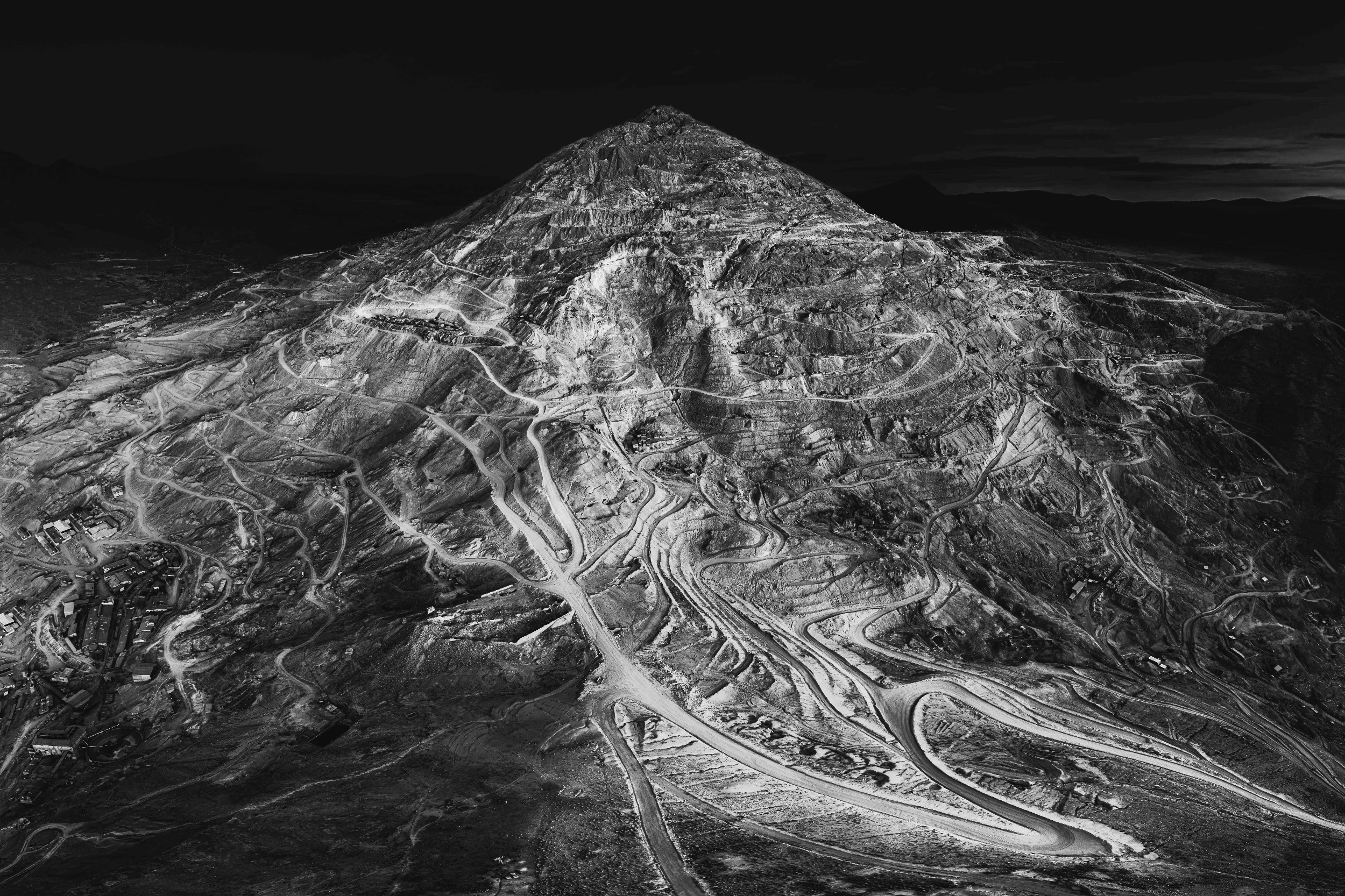
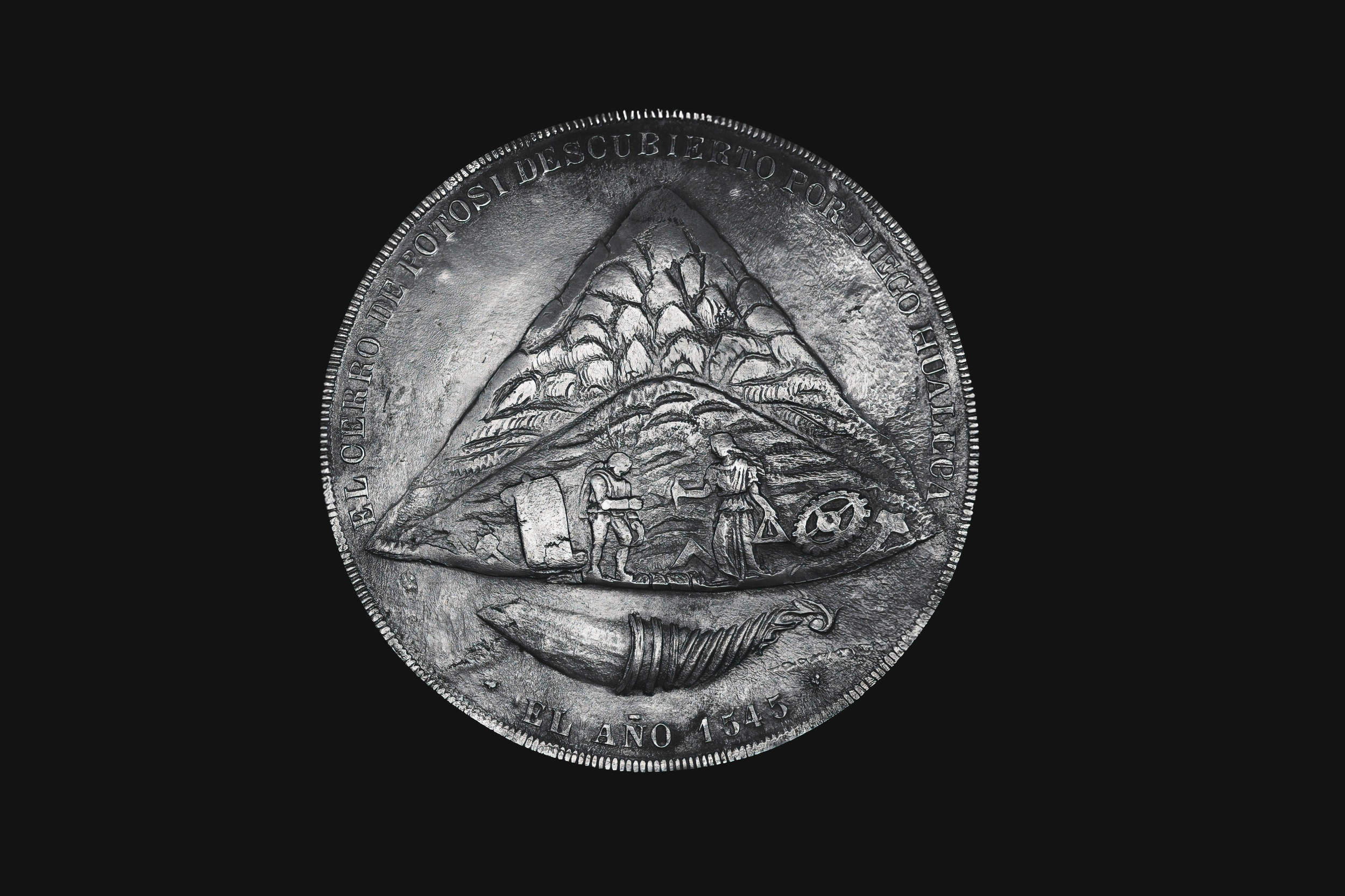
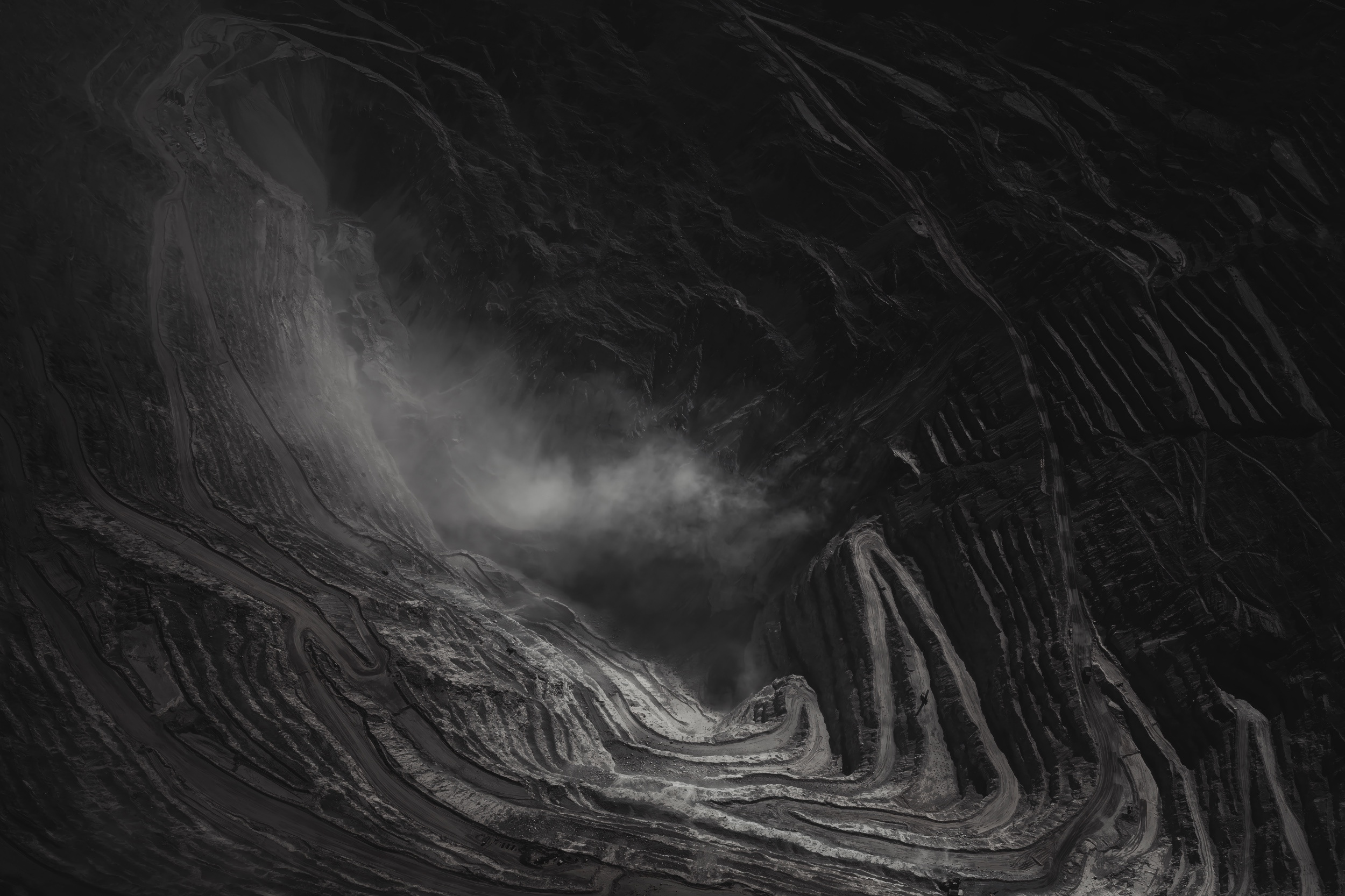
The Geoglyphs of our Time looks at the issue of resource mining in South America. Lorenzo Poli photographs open-pit mines that have left very deep marks on the face of the earth. It’s not easy to conceptualize the sheer amount of ground hollowed out by extraction. But in his photographs, we start to feel it. Humans have built things of an extraordinary scale, and Poli shows our ability to dismantle at an equally formidable level. As an architect who worked for years building with materials from the earth, he now turns directly to the source of raw materials. This work stares down into the pit, to try to understand what’s been taken and what we prioritize in modern civilization.
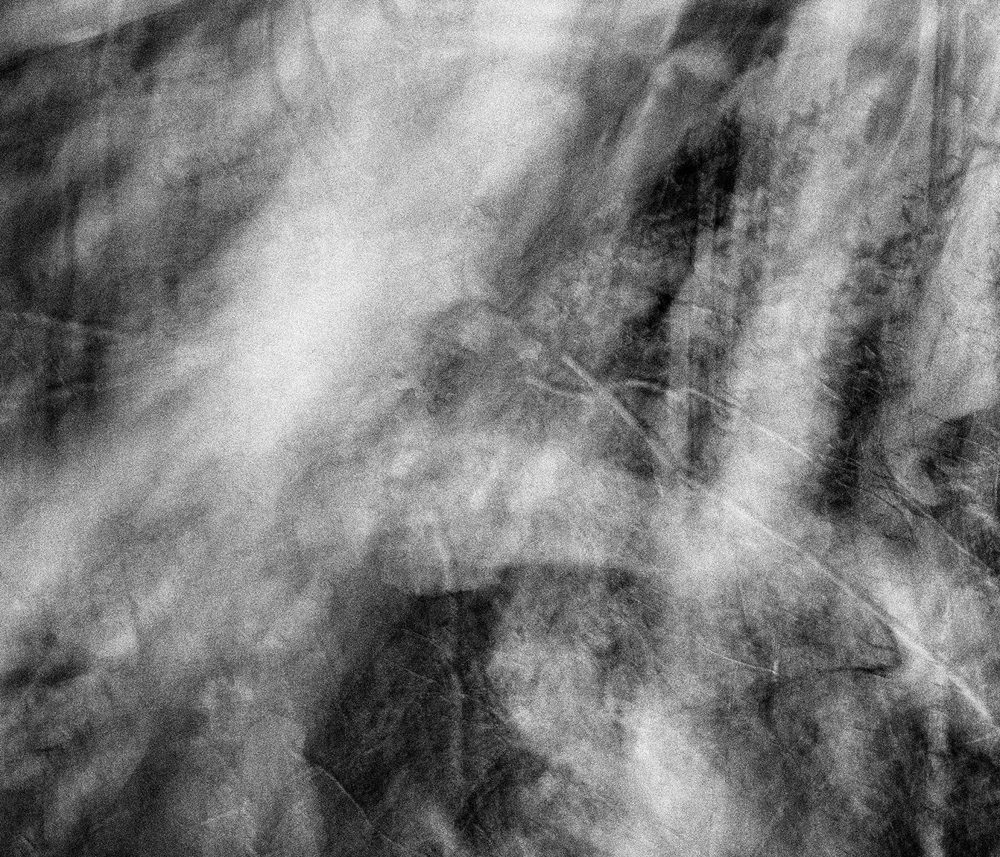
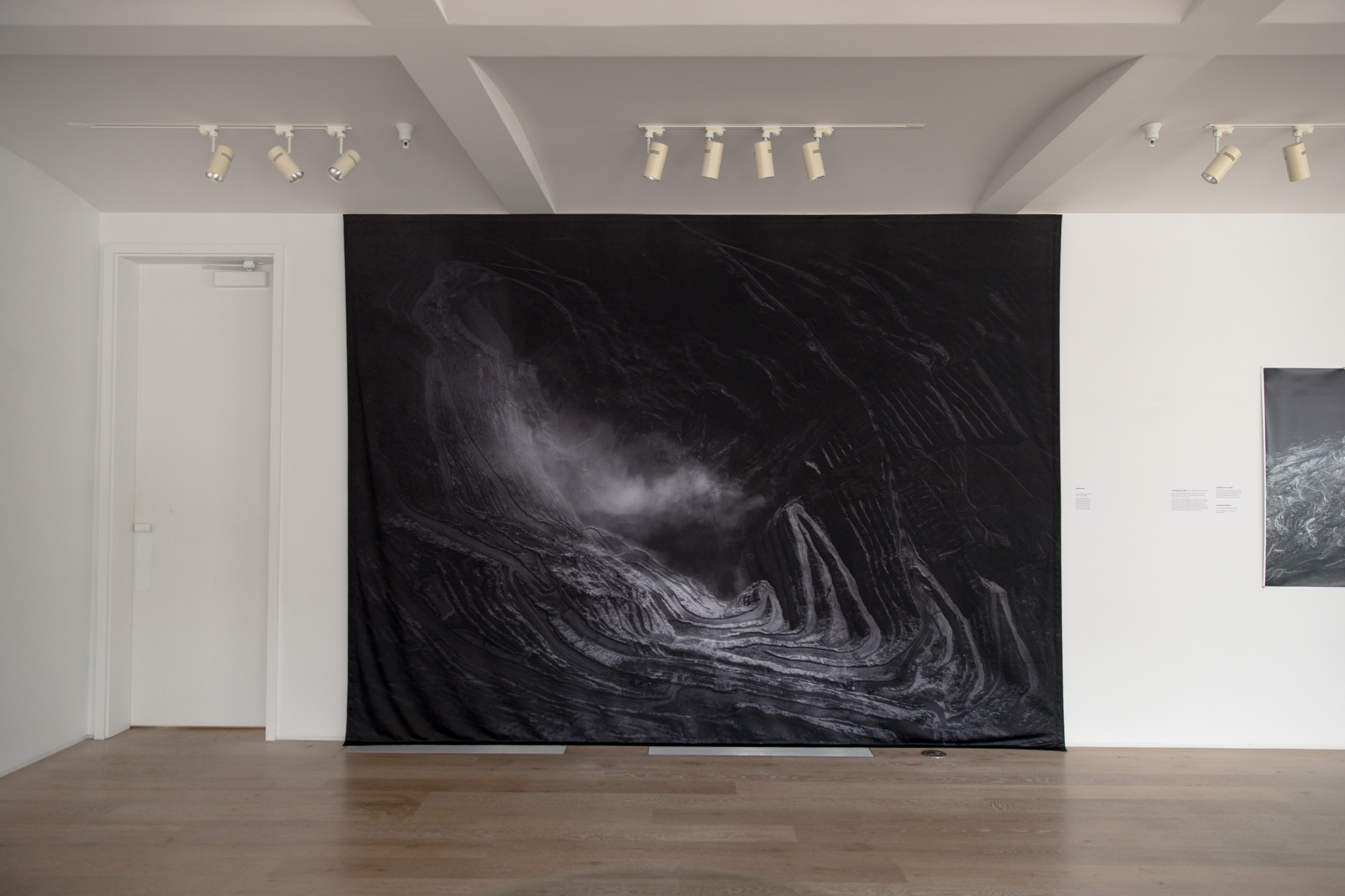
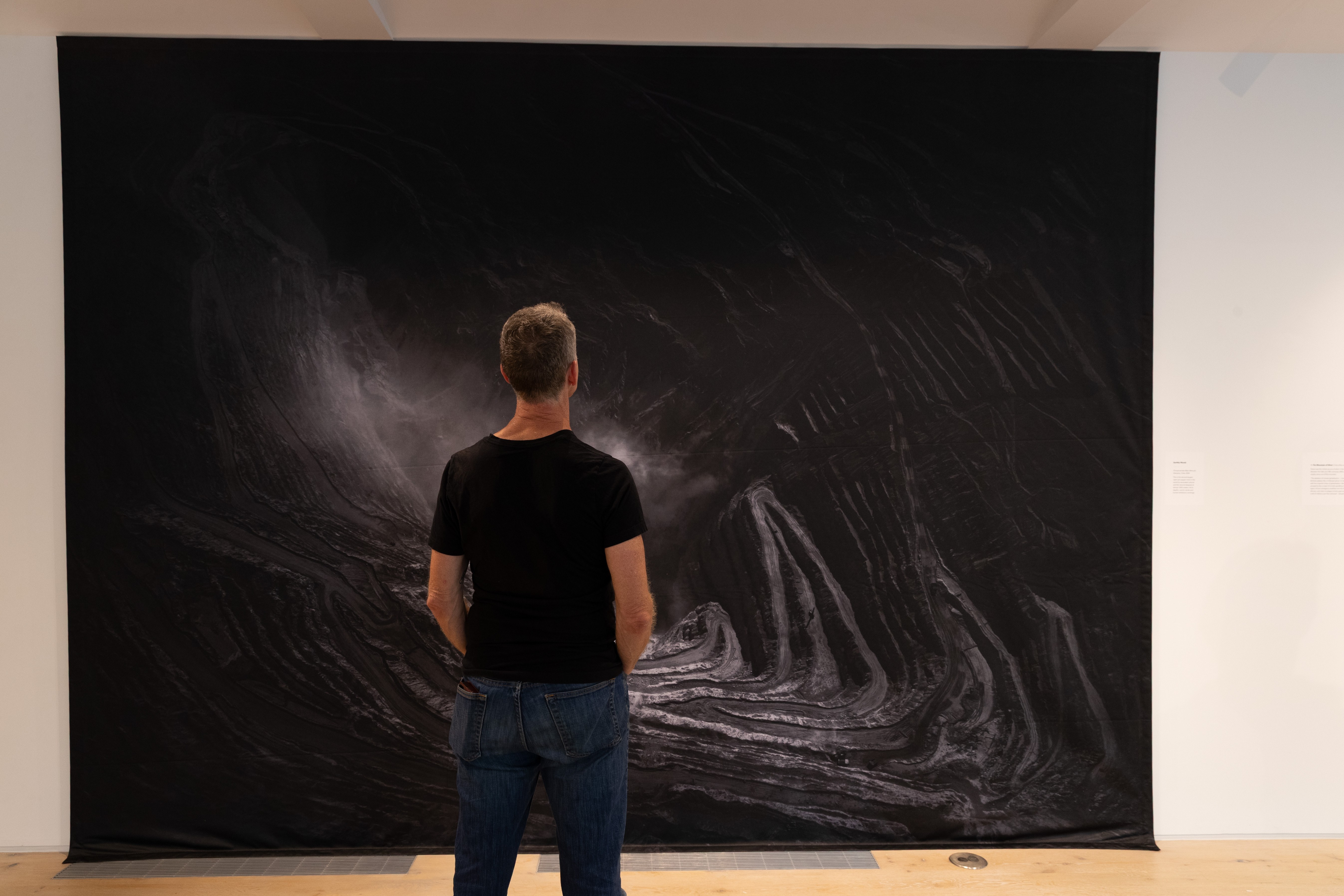
The project circles around one shape - the inverted cone, the gouge in the earth. The land has been scooped out in almost mythic proportions, carving something like an inverse pyramid into the ground, a monument to our unquenchable appetites. An image of the Chuquicamata copper mine in Chile is printed on fabric and hung from the ceiling to the floor. The photograph looks down into the chasm from above, but the viewer takes this in from the side, with a feeling of vertigo. We could fall right in.
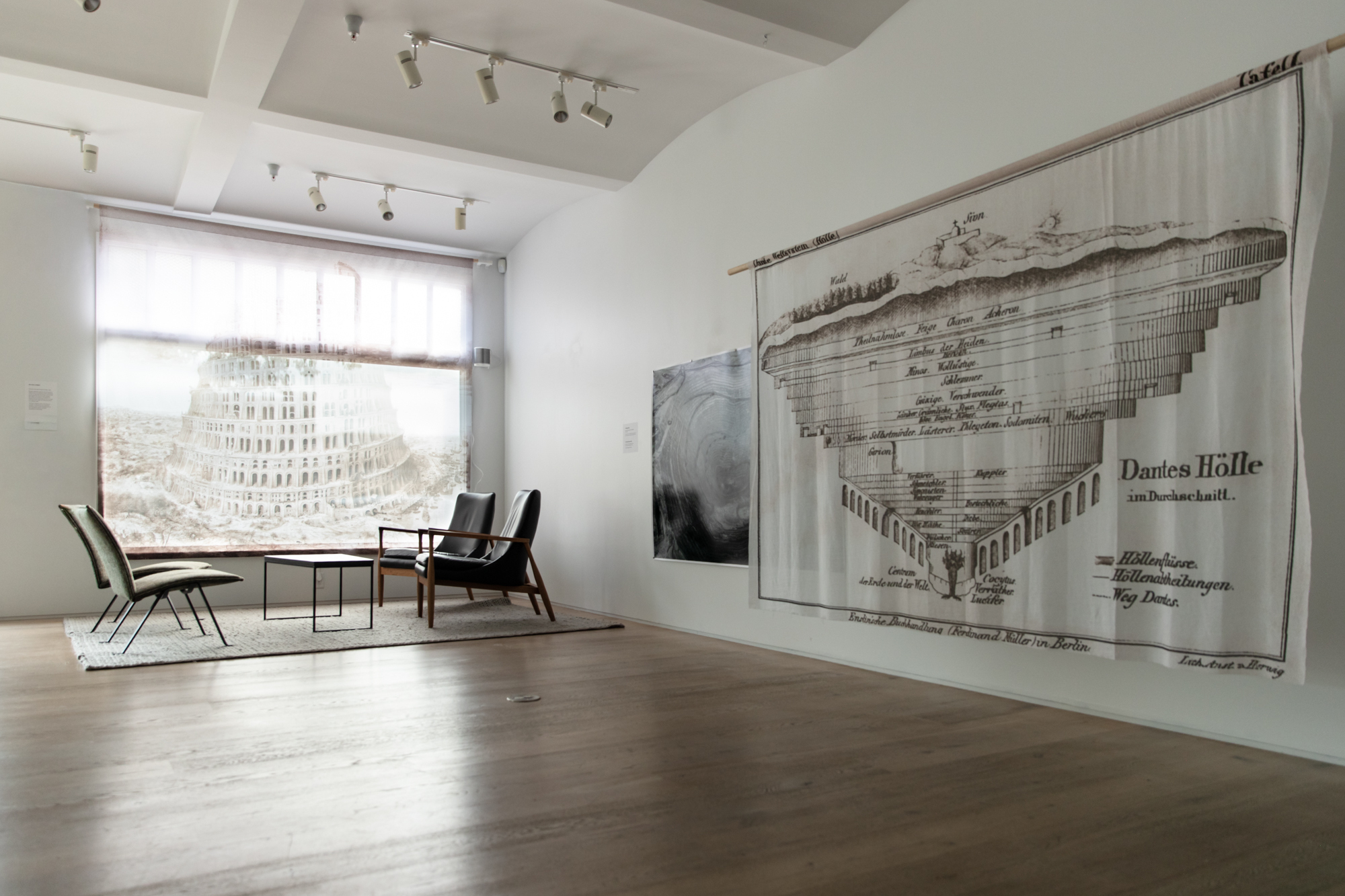
Poli’s visual language runs parallel to that of magical realism and gives the series a unique depth and communicative power. The foundation of his photographs are depictions of reality, but they are seamlessly paired with allegorical concepts. In Pieter Breugel’s 16th century illustration, (installed here in the window of the gallery) the tower of Babel has not yet collapsed. Workers are still carting bricks up the tower, and the harbor below is bustling. It’s a vivid picture of a society blindly trusting in the unbridled possibilities of technology. The open-pit mines in Poli’s photographs echo the shape of the tower, with similar patterns of spiraling expansion. Tiny trucks can be seen carting minerals up and down the spiral.
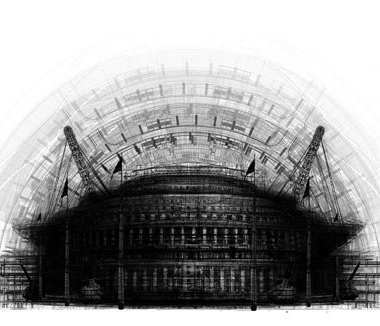
Turn the Tower of Babel upside down, and there is the shape of Dante Alighieri’s inferno. Poli floats a large scale diagram of the architecture of hell in front of his photograph of the Sierra Gorda Copper Mine. Hell could easily fit into the circular pit, like a screw drilling into the hole and sealing it off. The copper mine, in use only since 2014, is inhabited by the trucks seen working in concentric circles at every level. It appears that humans really are building the inferno, with our own drive, hands, ingenuity, and greed.
Lorenzo Poli
The Geoglyphs of Our Time
“Geoglyphs are ancestral symbolic forms, etched into the ground with dry-stone lines, cleared furrows, and tamped soil. Created by Indigenous communities as ritual acts, they embody communal cosmologies across the landscape—a shared vision of the Cosmos. Often aligned with constellations or natural features—and most legible from above—they weave culture, Land, and the heavens.”
This photographic investigation is a personal reflection on human values and how they are carved into the Earth’s body. I have traversed South America’s mining territories for fifteen months in search of meaning. As an architect expanding my practice into the realm of the visual arts, I have sought to engage with the spiritual dimensions of our epoch, immersing myself in monumental voids that descend into the Earth’s depths. From the air and from the ground, what emerged transcended the commodification of minerals for the energy transition: these voids exist as testaments to humanity’s aspirations.
The chronicles of modernity are inscribed across the Planet’s surface. Sacred Lands have become kingdoms of accumulation, empires of extraction. These new cosmotechnic terrains are the geoglyphs of our time—monuments to the values we pursue.
- Lorenzo Poli
At 14, I dreamt of being amidst towering skyscrapers and architects, inspiring my studies in architectural engineering in Italy and the Netherlands. At 22, I delved into photography with an exhibition in Baghdad before the 2003 Iraq war. Returning, I shared visual narratives in exhibitions and newspapers, discovering the fulfilment in raising awareness through images.
Yet, my architectural drive remained strong, leading me to London in 2006 to work on Jean Nouvel’s advanced facades project. I then pursued a master’s in Sustainable Facade Engineering in Bath. followed by 12 years at Norman Foster’s, developing sustainable solutions, contributing to patents, and traveling to 70 countries, exploring nature and societal impacts.
My parents’ losses in 2013 and 2021 reminded me of the value of existence. During COVID-19, deep reflection in an operating theatre spurred a seven-month solo campervan journey in Scotland’s Highlands, working remotely for Foster+Partners. The dichotomy between architectural practice and Nature’s wisdom became irreconcilable.
This led to exploring biocentric equality and reconciliation within Nature, influenced by my yoga passion. I researched the industrialisation of the natural world (anthrobiome), and ventured into the last remains wilderness sanctuaries (biomes) of glacial Norway and the Antarctic continent, collaborating with the
NVE (Norwegian Water and Energy Resources Directorate) and the DNA (Dirección Nacional del Antártico) in Argentina.
In the last years, I was awarded with several international recognitions, including the 2022 Sony World Photo Award in the Landscape Professional Category. The photographic series “Life on Earth”, according to the Sony SWPA judges, ’delves into the ethereal magic of nature and the mysterious beauty of an untamed world…”.
Now, I traverse Earth’s territories to voice Nature’s wisdom. I create immersive visual experiences that emphasise rewilding, biodiversity, symbiosis, envisioning an inclusive and ecotopical society in the Biocene.
www.lorenzopoli.photography
The Geoglyphs of our Time looks at the issue of resource mining in South America. Lorenzo Poli photographs open-pit mines that have left very deep marks on the face of the earth. It’s not easy to conceptualize the sheer amount of ground hollowed out by extraction. But in his photographs, we start to feel it. Humans have built things of an extraordinary scale, and Poli shows our ability to dismantle at an equally formidable level. As an architect who worked for years building with materials from the earth, he now turns directly to the source of raw materials. This work stares down into the pit, to try to understand what’s been taken and what we prioritize in modern civilization.
The project circles around one shape - the inverted cone, the gouge in the earth. The land has been scooped out in almost mythic proportions, carving something like an inverse pyramid into the ground, a monument to our unquenchable appetites. An image of the Chuquicamata copper mine in Chile is printed on fabric and hung from the ceiling to the floor. The photograph looks down into the chasm from above, but the viewer takes this in from the side, with a feeling of vertigo. We could fall right in.
Poli’s visual language runs parallel to that of magical realism and gives the series a unique depth and communicative power. The foundation of his photographs are depictions of reality, but they are seamlessly paired with allegorical concepts. In Pieter Breugel’s 16th century illustration, (installed here in the window of the gallery) the tower of Babel has not yet collapsed. Workers are still carting bricks up the tower, and the harbor below is bustling. It’s a vivid picture of a society blindly trusting in the unbridled possibilities of technology. The open-pit mines in Poli’s photographs echo the shape of the tower, with similar patterns of spiraling expansion. Tiny trucks can be seen carting minerals up and down the spiral.
Turn the Tower of Babel upside down, and there is the shape of Dante Alighieri’s inferno. Poli floats a large scale diagram of the architecture of hell in front of his photograph of the Sierra Gorda Copper Mine. Hell could easily fit into the circular pit, like a screw drilling into the hole and sealing it off. The copper mine, in use only since 2014, is inhabited by the trucks seen working in concentric circles at every level. It appears that humans really are building the inferno, with our own drive, hands, ingenuity, and greed.
Dates + Events
October Gallery Walk: Lorenzo Poli
Friday, October 3 | 5:00pm - 8:00pm
September Pictura Kids: Topographic Drawings
Saturday, September 6 | 11:00am - 12:00pm